
In today’s fast-paced industrial environment, the demand for efficient labor solutions has never been more pronounced. Industries such as construction, oil and gas, mining, and emergency services often require a substantial workforce to operate in remote locations. To facilitate this, companies increasingly rely on labor camps equipped with on-site workers’ dormitories. These dormitories not only provide essential housing for workers but also play a critical role in improving overall labor camp efficiency. This article explores the significance of on-site workers’ dormitories, their design features, and their impact on productivity, worker welfare, and operational effectiveness.
Understanding Labor Camps and Workers’ Dormitories
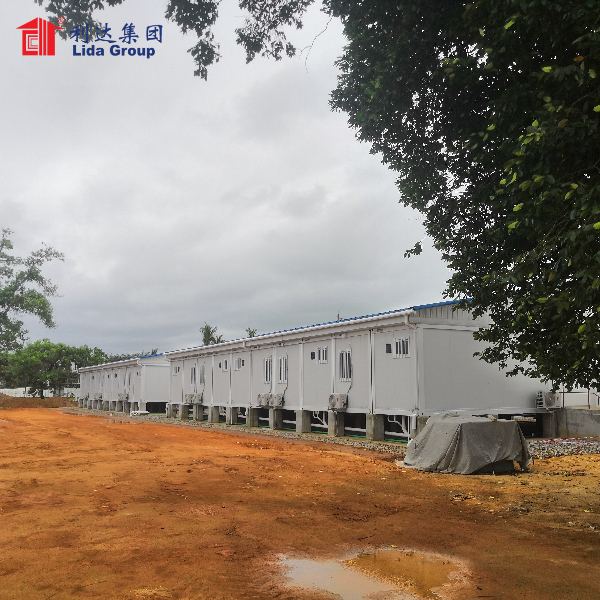
What Are Labor Camps?
Labor camps are temporary or semi-permanent facilities established to house workers who are engaged in projects away from their home regions. These camps are essential for industries that require a mobile workforce, enabling companies to deploy personnel quickly to remote locations. Labor camps can vary widely in size and complexity, from basic tent setups to fully equipped modular buildings.
The Importance of On-Site Workers’ Dormitories
On-site workers’ dormitories are a fundamental component of labor camps. They provide a place for workers to rest, recharge, and live during their time on-site. The quality and design of these dormitories can significantly influence worker morale, productivity, and overall operational efficiency.
The Role of On-Site Dormitories in Labor Camp Efficiency
1. Enhancing Worker Productivity
The design and quality of dormitories have a direct impact on worker productivity:
- Rest and Recovery: Comfortable dormitories allow workers to get adequate rest, which is essential for maintaining energy levels and focus during work hours. Proper sleep is linked to improved cognitive function and decision-making abilities.
- Minimized Fatigue: By reducing the time and effort workers need to commute to and from distant housing, on-site dormitories minimize fatigue. This allows workers to arrive at their workstations refreshed and ready to perform.
- Convenience: On-site accommodation eliminates the logistical challenges associated with off-site housing, such as transportation delays or scheduling conflicts. This convenience leads to better attendance and punctuality.
2. Supporting Worker Welfare
Worker welfare is crucial for maintaining a motivated and dedicated workforce. On-site dormitories play a significant role in enhancing welfare through:
- Comfortable Living Conditions: Well-designed dormitories that provide adequate space, privacy, and amenities contribute to the overall comfort of workers. Features such as comfortable beds, clean bathrooms, and access to communal areas can greatly improve the living experience.
- Social Interaction: Dormitories often include common areas where workers can gather and socialize. This fosters camaraderie and teamwork, which are essential for creating a positive work environment.
- Health and Safety: On-site dormitories can be designed with health and safety in mind. Adequate sanitation facilities, ventilation, and emergency exits are vital for ensuring the well-being of workers.
3. Cost-Effectiveness for Employers
Investing in quality on-site dormitories can lead to significant cost savings for employers:
- Reduced Turnover Rates: Providing comfortable living conditions can decrease turnover rates. When workers feel valued and comfortable, they are less likely to seek employment elsewhere, which saves companies the costs associated with recruiting and training new employees.
- Minimized Transportation Costs: On-site accommodation eliminates the need for daily transportation to and from work, reducing costs related to fuel, vehicle maintenance, and driver wages.
- Increased Operational Efficiency: With workers living on-site, companies can manage labor schedules more effectively, reducing downtime and ensuring that labor resources are utilized efficiently.
4. Facilitating Rapid Deployment
In industries that require quick mobilization, on-site dormitories are invaluable:
- Quick Setup: Modern modular dormitories can be rapidly deployed and assembled, allowing companies to respond quickly to project demands. This agility is crucial in competitive industries where time is often of the essence.
- Scalability: On-site dormitory facilities can be easily scaled up or down based on project needs. This flexibility allows companies to adapt to changing workforce requirements without significant delays.
Key Design Features of On-Site Workers’ Dormitories
To maximize the efficiency and comfort of on-site workers’ dormitories, several key design features are essential:
1. Modular Construction
Modular construction techniques allow for quick assembly and flexibility in design. Dormitories can be prefabricated off-site and transported to the labor camp for rapid deployment. This approach minimizes construction time and disruptions to ongoing projects.
2. Comfortable Accommodations
Comfort is crucial for ensuring that workers can rest effectively:
- Private and Shared Rooms: A mix of private and shared accommodations can cater to different worker preferences and needs. Providing options allows for a more personalized living experience.
- Quality Furnishings: Comfortable beds, adequate storage space, and ergonomic furniture contribute to a positive living environment.
3. Amenities and Facilities
Incorporating essential amenities enhances the living experience for workers:
- Dining Facilities: On-site kitchens or dining halls provide workers with access to nutritious meals, which is vital for maintaining energy levels and health.
- Recreational Areas: Common areas for relaxation and social activities can help build a sense of community among workers. These spaces can include lounges, gyms, and outdoor recreational facilities.
- Sanitation and Hygiene: Clean and well-maintained bathrooms and shower facilities are essential for worker health and well-being. Adequate sanitation helps prevent health issues and promotes a hygienic living environment.
4. Safety Features
Safety is paramount in labor camps. Key safety features include:
- Emergency Exits: Clearly marked and accessible emergency exits are crucial for ensuring worker safety in case of emergencies.
- Fire Safety Measures: Fire alarms, extinguishers, and smoke detectors should be installed throughout the dormitories to mitigate fire risks.
- Health and First Aid Facilities: On-site medical facilities or first aid stations can provide immediate care for minor injuries or health issues, enhancing worker safety.
Case Studies: Effective Implementation of On-Site Dormitories
Case Study 1: Construction Project in a Remote Area
Challenge: A construction company needed to house 150 workers at a remote site far from urban centers.
Solution: The company implemented a modular labor camp with on-site dormitories featuring individual sleeping units, communal dining areas, and recreational facilities. The dormitories were designed for quick assembly and included essential amenities.
Outcome: Workers reported high levels of satisfaction with their living conditions, leading to improved morale and productivity. The company experienced reduced turnover rates, ultimately enhancing project efficiency.
Case Study 2: Oil and Gas Exploration
Challenge: An oil and gas company required immediate housing for a large workforce at a new drilling site in a remote location.
Solution: The company deployed prefabricated on-site dormitories that could accommodate 200 workers. The design included comfortable sleeping arrangements, a dining facility, and recreational areas.
Outcome: The rapid setup of the dormitories enabled the company to mobilize its workforce quickly. Workers enjoyed a high quality of life, leading to increased productivity and reduced absenteeism.
Case Study 3: Disaster Relief Operations
Challenge: Following a natural disaster, a humanitarian organization needed to establish temporary housing for emergency response workers.
Solution: The organization implemented a mobile labor camp with on-site dormitories designed for quick assembly. The dormitories included essential amenities and facilities for relaxation and recuperation.
Outcome: The swift deployment of the dormitories provided safe and comfortable living conditions for emergency responders. The effective accommodation of workers facilitated efficient recovery efforts in the affected area.
Addressing Challenges in On-Site Dormitory Implementation
1. Regulatory Compliance
Navigating local building codes and regulations can be complex. Engaging with local authorities early in the planning process is essential to ensure compliance and address potential regulatory hurdles.
2. Logistics and Transportation
Transporting modular dormitory units to remote locations can present logistical challenges. Effective planning and coordination are crucial to ensure timely delivery and assembly.
3. Cultural Sensitivity
Designing dormitories that respect local cultures and traditions is vital for acceptance. Collaborating with local architects and designers ensures that the final product resonates with the community.
4. Health and Safety Concerns
Implementing health and safety measures is essential for maintaining worker well-being. Regular inspections and maintenance of facilities help address potential risks and ensure a safe living environment.
The Future of On-Site Workers’ Dormitories
Technological Innovations
The future of on-site workers’ dormitories will be influenced by ongoing technological advancements:
- Smart Technologies: The integration of smart technologies, such as IoT devices, can enhance the efficiency and comfort of dormitories. Features like smart lighting, climate control, and security systems can improve the living experience for workers.
- Sustainable Building Practices: The use of eco-friendly materials and energy-efficient systems will become increasingly important in the design and construction of on-site dormitories.
Global Market Potential
The demand for on-site workers’ dormitories is expected to grow as industries expand into remote areas:
- Emerging Markets: Developing countries will increasingly turn to modern accommodations to address labor housing needs, particularly in remote regions.
- Crisis Response: On-site dormitories will continue to play a crucial role in providing temporary accommodations in disaster-stricken areas, offering quick and effective solutions.
Customization and Adaptability
The ability to customize designs will ensure that on-site workers’ dormitories meet the unique needs of various industries:
- Flexible Configurations: Modular designs allow for easy modifications and expansions as workforce needs change.
- Cultural Sensitivity: Designs can be tailored to reflect local architectural styles and cultural preferences, enhancing their appeal in diverse markets.
Conclusion
On-site workers’ dormitories are a vital component of labor camp efficiency, providing essential housing solutions that enhance worker welfare and productivity. By investing in well-designed dormitory facilities, companies can create environments that support the physical and mental well-being of their workforce.
As industries continue to expand into remote areas and face new challenges, the demand for innovative housing solutions will only grow. On-site workers’ dormitories stand as a testament to the importance of prioritizing worker comfort and safety in achieving operational success.
In a world where labor welfare is increasingly recognized as a critical component of organizational success, the adoption of high-quality on-site dormitories is essential. By fostering environments that promote rest, recovery, and community, companies can build a more satisfied and productive workforce, ultimately leading to better project outcomes and enhanced business performance.
Contact Us
Post time: Mar-10-2025